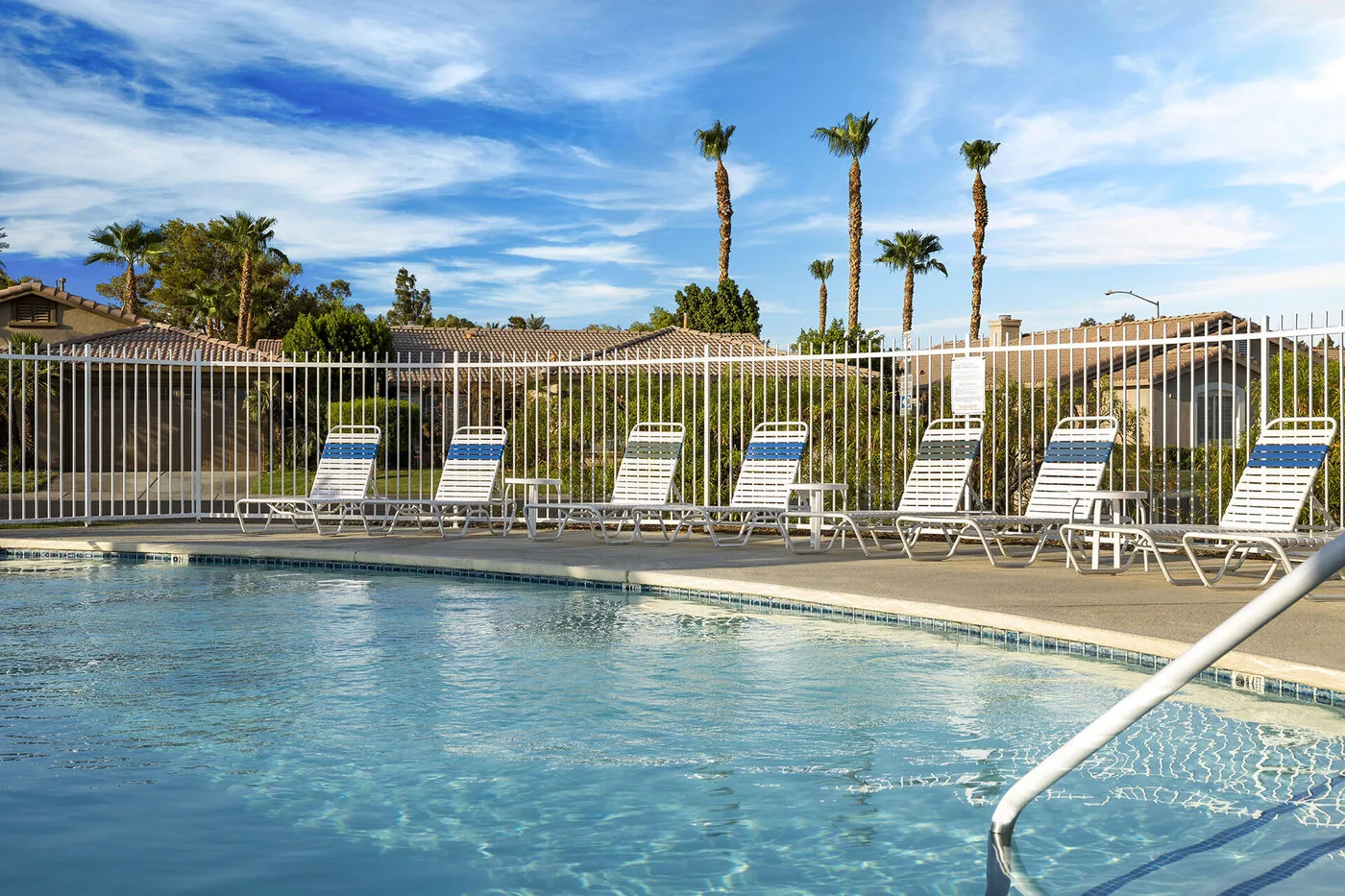
October in the Coachella Valley: the crowds are gone, the dates are being harvested, and the light in the afternoon turns a specific shade of amber that makes you want to sit outside and not move. The pool is still warm enough to use. The nights drop to the low 60s. The mountains go pink at dusk. You will not want to leave.
This is the version of the valley that festival-only visitors never see. I bought a house here and now I'm the person who can't stop talking about fall light and mid-week escapes where nothing is on the schedule except the pool and an early hike. The Coachella Valley is a place you return to, for the sun, the space, and the surprising amount of culture packed into this stretch of California.
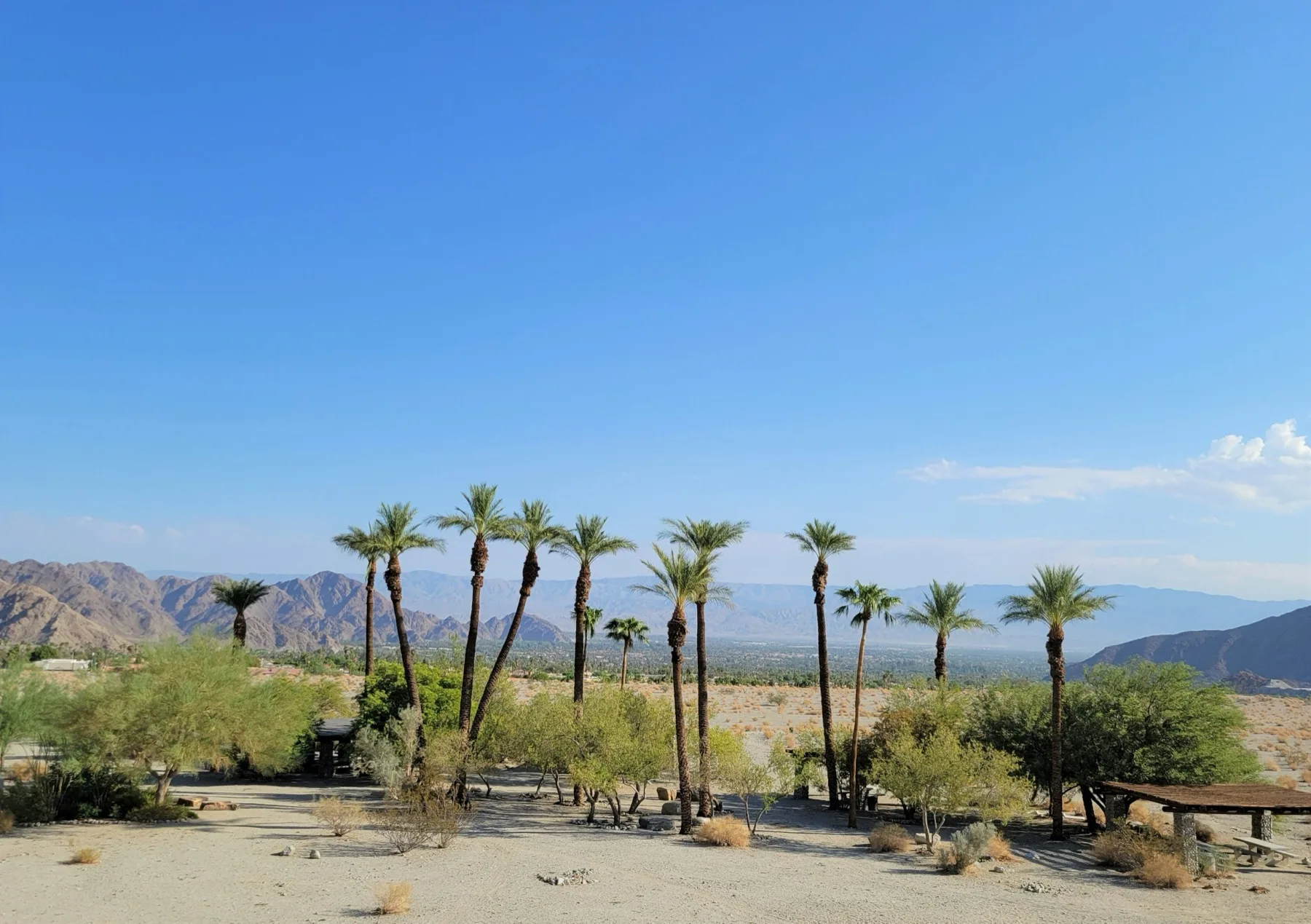
45 miles of valley. 300 days of sun. Four very different seasons.
The Geography of It All
The Coachella Valley is a 45-mile-long valley in the Colorado Desert, stretching from Palm Springs in the northwest to the Salton Sea in the southeast. It includes Palm Springs, Cathedral City, Rancho Mirage, Palm Desert, Indian Wells, La Quinta, Indio, and Coachella.
Terra Luz is located in Indio, right in the heart of the valley. That puts you 30 minutes from Palm Springs, 45 minutes from Joshua Tree, 15 minutes from La Quinta. You're not isolated, but you're also not in the chaos. Indio sits at this sweet spot of residential quiet, local authenticity, and easy access to everything else.
Winter (December – February): Snowbird Season
This is peak season, and for good reason. While the rest of the country scrapes ice off windshields, the Coachella Valley sits at a perfect 70-75°F. Pool weather, no crowds, and outdoor everything: hiking, grilling, movie nights on the patio.
Good winter moves: Joshua Tree sunrise hikes (Cholla Cactus Garden or Skull Rock), the Palm Springs Aerial Tramway (ride up to 8,500 feet where there's actual snow while it's 70°F below), and the La Quinta Farmers Market on Sunday mornings.
Spring (March – May): Festival Season + Wildflower Blooms
Spring is the valley's most famous season. Coachella and Stagecoach draw hundreds of thousands of people. But even if you're not festival-bound, spring has serious appeal: desert blooms if the winter rains cooperated, hiking weather that's warm but not brutal, and BNP Paribas Open tennis in March.
For more on making the most of festival season from a real home base, read our Coachella accommodation guide.
Summer (June – August): Peak Heat, Peak Pool Season
Let's not sugarcoat it: summer is 110-120°F. It's not for everyone. But if you embrace it, summer is glorious. Zero crowds: locals leave, tourists avoid it, you get restaurants and trails to yourself. Lower prices, more flexibility.
The move in summer: pool days (just commit to it), early morning Joshua Tree hikes starting at 6 AM and done by 10 AM, indoor escapes to the Palm Springs Art Museum, and night swims when the air cools to 90°F and the pool stays warm.
Fall (September – November): The Secret Best Season
Controversial take: fall is the best time to visit the Coachella Valley. By October, temps drop to the 85-95°F range. By November? Mid-70s. Crisp mornings, golden light that lasts all day, perfect weather for the pool and cool enough for hiking.
Off-season pricing means better rates and easier last-minute booking. It's harvest season, so dates are being picked and farmers markets are stacked. The fall light in the desert is unreal. Photographers know. Now you do too.
Fall activities: Joshua Tree camping in October or November (cool nights, clear skies, optimal for stargazing), date harvest tours at working farms, Indian Canyons or Ladder Canyon hikes without the risk of dying from heat exhaustion.
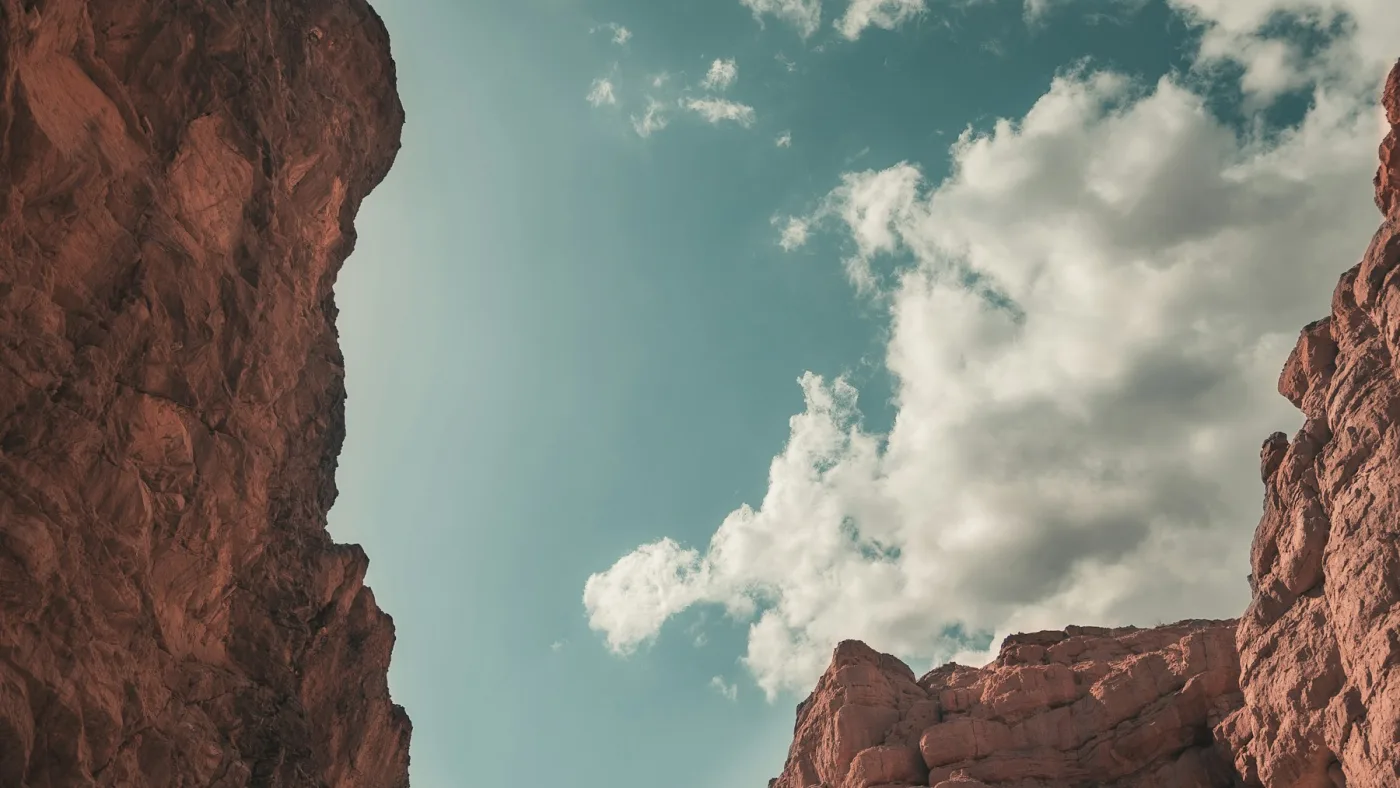
The Coachella Valley Preserve, native fan palms, spring-fed oasis, and trails that look nothing like what most people picture when they hear "Coachella."
Joshua Tree: 45 Minutes From Terra Luz
It sits at the intersection of two deserts: the Mojave (higher elevation, cooler, home to the iconic Joshua trees) and the Colorado (lower, hotter, more barren). The result is a landscape that feels otherworldly: massive granite boulders, twisted trees, endless sky.
Best hikes from Terra Luz as a base camp:
- Cholla Cactus Garden (Easy, 0.25 miles): golden hour is magic here
- Skull Rock (Easy, 1.7 miles): great for kids, cool formations
- Hidden Valley (Moderate, 1-mile loop): rock climbers, gorgeous views
- Ryan Mountain (Strenuous, 3 miles): summit views worth every step
- Barker Dam (Easy, 1.3 miles): petroglyphs, seasonal water
Pro tip: wake up early, hit Joshua Tree for sunrise, and be back at the pool by 11 AM. Best of both worlds.
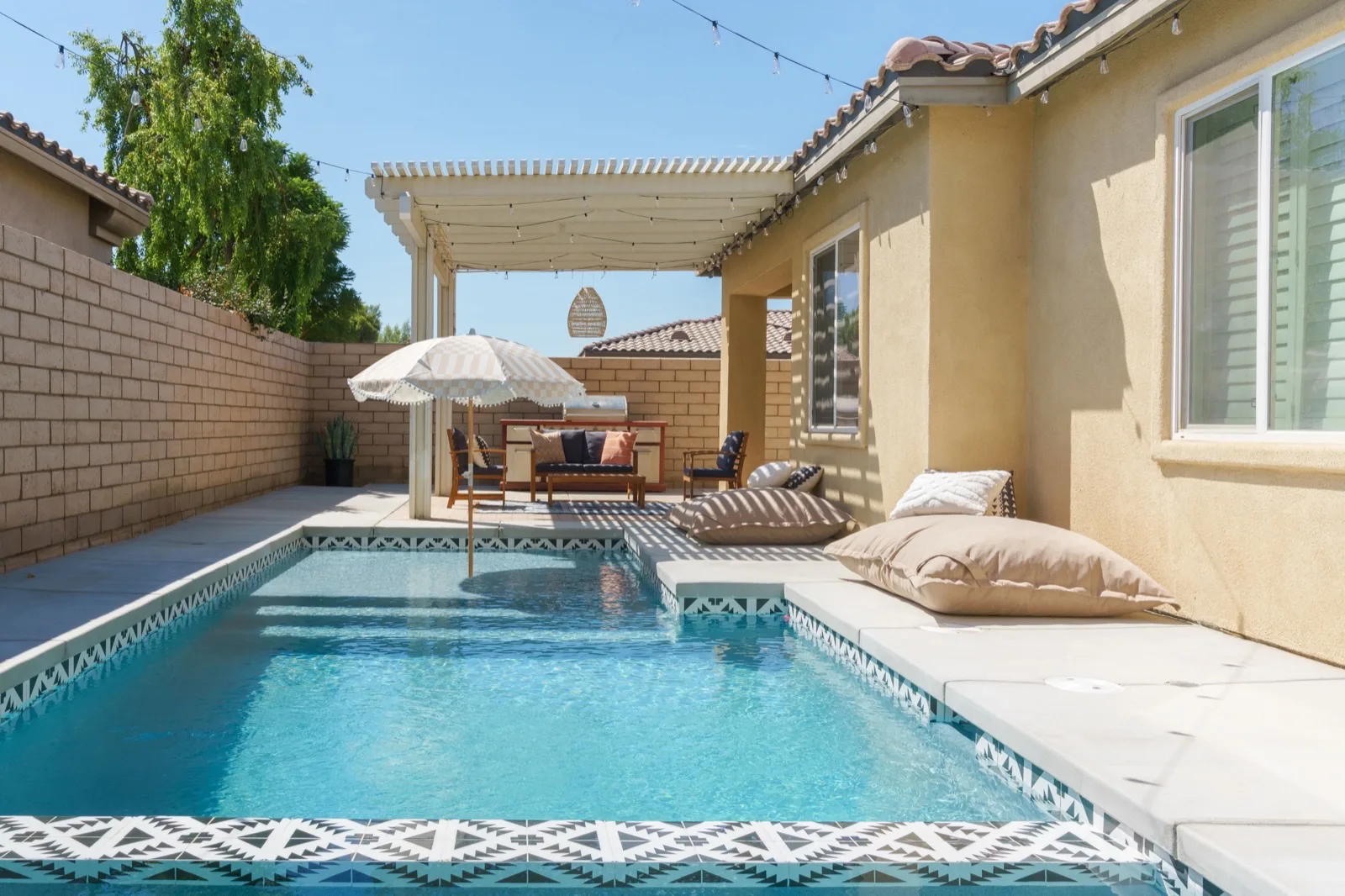
Back at Terra Luz by 11 AM. The pool does not care what time you got up.
Palm Springs: Worth the 30-Minute Drive
Palm Springs is the valley's crown jewel. Mid-century modern architecture. Boutique shopping. Brunch culture. It's worth visiting, just not necessarily worth staying in. Too expensive, too crowded, too scene-y for a real escape.
What to do: modernist architecture tours, VillageFest on Thursday nights, the Aerial Tramway, and brunch at Cheeky's or Norma's (expect lines, worth it). For a full local breakdown, read our insider's guide to the valley.
Why stay at Terra Luz instead of Palm Springs: you get an entire house and pool instead of a cramped hotel room, you're still only 30 minutes away, and the rates are dramatically better for groups.
A 4-Day Sample Itinerary
Day 1: Arrive at Terra Luz. Unpack, grocery run, afternoon pool. Dinner at the house or order local.
Day 2: Sunrise hike in Joshua Tree (Cholla Cactus Garden or Skull Rock). Date shake at Shields Date Garden. Afternoon pool and nap. Evening dinner in La Quinta.
Day 3: Morning coffee at Everbloom. Drive to Palm Springs for the Art Museum or Aerial Tramway. Brunch at Cheeky's. Evening back at Terra Luz: grill out on the terracotta patio, close out the night in the pool.
Day 4: Sleep in. Lazy breakfast at the house. Pool float marathon. One last swim. Pack. (Or stay another night. We won't judge.)
The Desert Isn't Just for Coachella
The Coachella Valley has this reputation as a festival destination. It's also a winter escape, a remote work haven, a Joshua Tree base camp. A place where you can float in a pool with a drink in hand and feel like you've left your life behind, if only for a few days.
If you're planning a trip out here, Terra Luz is our Indio home base: private saltwater pool, covered patio with pergola, and 10 minutes from everything in this guide.
Terra Luz is our love letter to this place. Whether you're coming for Coachella, escaping winter, or just need a long weekend to reset, the Coachella Valley is waiting.