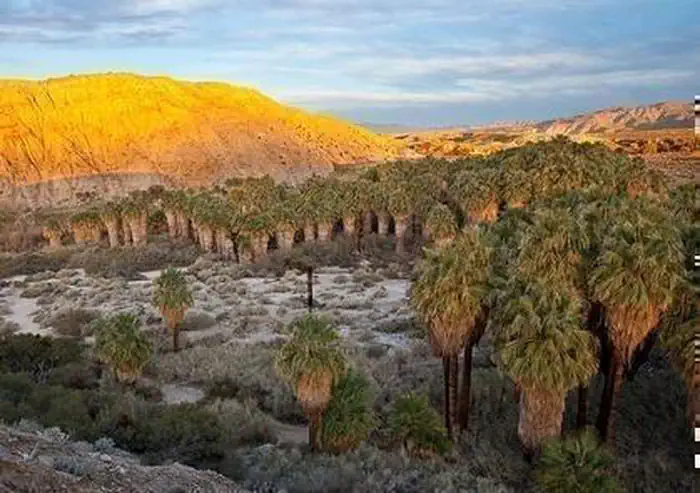
Hiking near Palm Springs is genuinely good, and it gets underrated because people come for the pools and the architecture and don't realize the mountains are right there. The San Jacinto range rises from the desert floor to over 10,000 feet, and the canyons cut into it hold palm oases, waterfalls, and trails that feel nothing like what you'd expect at sea level in the Mojave.
The key thing to know: season matters. October through April is the window when hiking here is comfortable and safe for most people. Summer hiking is possible but requires a 5am start and a realistic assessment of heat tolerance. Here are the five hikes worth knowing about.
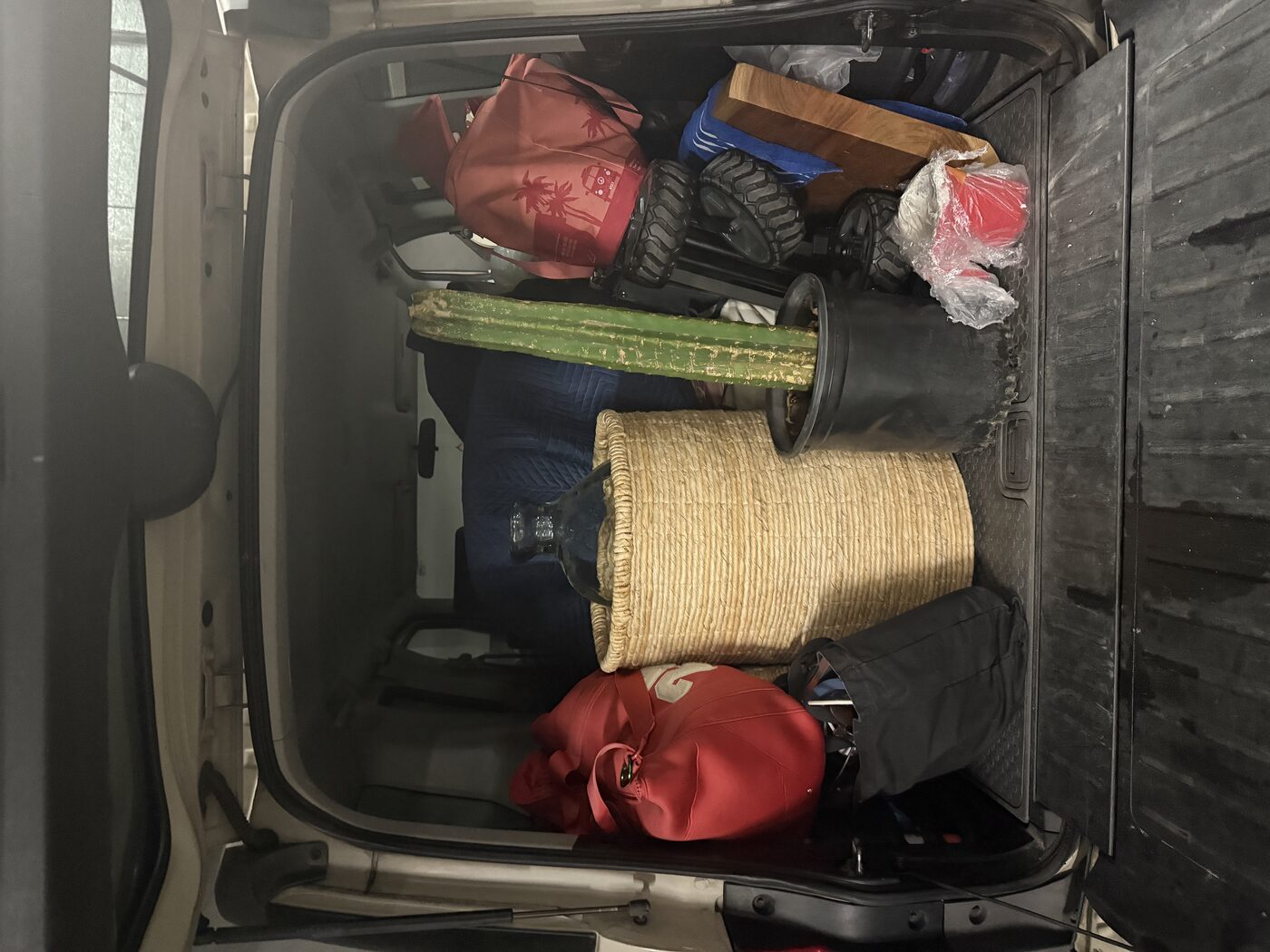
The desert is not uniformly dry. Getting out before 8am is the whole strategy. Pack the night before.
1. Palm Canyon (Easy to Moderate)
Palm Canyon is the most visited hike in the area, and the popularity is deserved. The canyon holds one of the largest native California fan palm oases in the world: thousands of palms lining a creek bed, stretching back into the mountains. The trail descends from the trailhead into the canyon, and the contrast between the open desert at the top and the dense green grove below is remarkable every time.
Plan 2-3 hours for a comfortable out-and-back that goes far enough to feel the scale of the canyon. The trail continues further for those who want more. It's part of the Indian Canyons on Agua Caliente Tribal Land and there's an entrance fee. Go early in the morning if you're visiting in spring, both for the temperature and because the light in the canyon is best before 10am.
2. Murray Canyon (Moderate)
Murray Canyon is one canyon over from Palm Canyon and significantly less crowded. The trail winds through another palm oasis with a seasonal waterfall toward the end of the route. In wet years, the waterfall runs from January through April. In dry years, it's a trickle. Worth the trip either way because the canyon itself has a narrower, more enclosed feel than Palm Canyon.
Plan 2-3 hours. The terrain is rockier than Palm Canyon, especially near the falls. Good shoes with grip make a difference here. Also accessed through Indian Canyons, so same entrance fee applies.
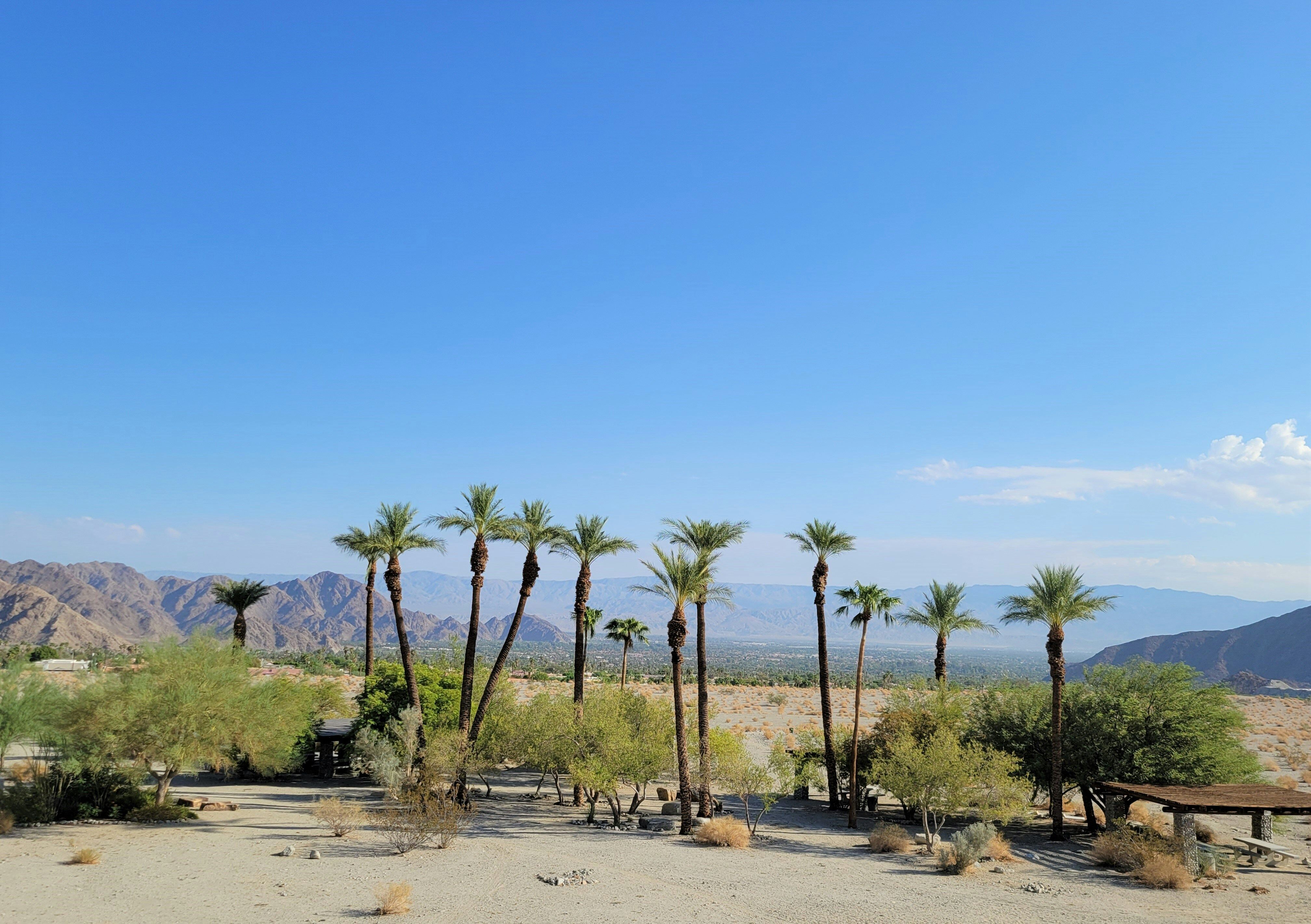
The view from elevation looking down into the valley. The hike up is the hard part. The view down is the payoff.
3. Tahquitz Canyon (Guided, Waterfall)
Tahquitz Canyon is a separate canyon system on Agua Caliente land, and unlike the Indian Canyons hikes, it requires a guided tour. The guides are knowledgeable about the Cahuilla tribal history of the canyon, and the 60-foot waterfall at the end of the route is one of the most dramatic sights in the valley. Tours run multiple times daily in season, and the walk is moderate in terms of terrain.
The guided-only format means this hike has a different character than a solo walk: you move with a group, you stop at designated points, and you learn things you'd miss on your own. Worth it, especially if this is your first time in the area. Check the Tahquitz Canyon website for current tour times and fees before going.
4. Bump and Grind Trail, La Quinta (Easier)
Bump and Grind is a well-named trail in La Quinta, about 20 minutes east of Palm Springs. It's a shorter loop that climbs a ridge above the city and delivers panoramic views of the valley floor, the Santa Rosa Mountains, and on clear days, the Salton Sea. The elevation gain is real but manageable, and the trail is well-maintained with good footing throughout.
This is a good option for people who want views without committing to a long canyon hike. Go early morning when the light hits the valley from the east. Plan about 1.5-2 hours and bring more water than you think you need. Check the AllTrails page for current conditions and recent reports.
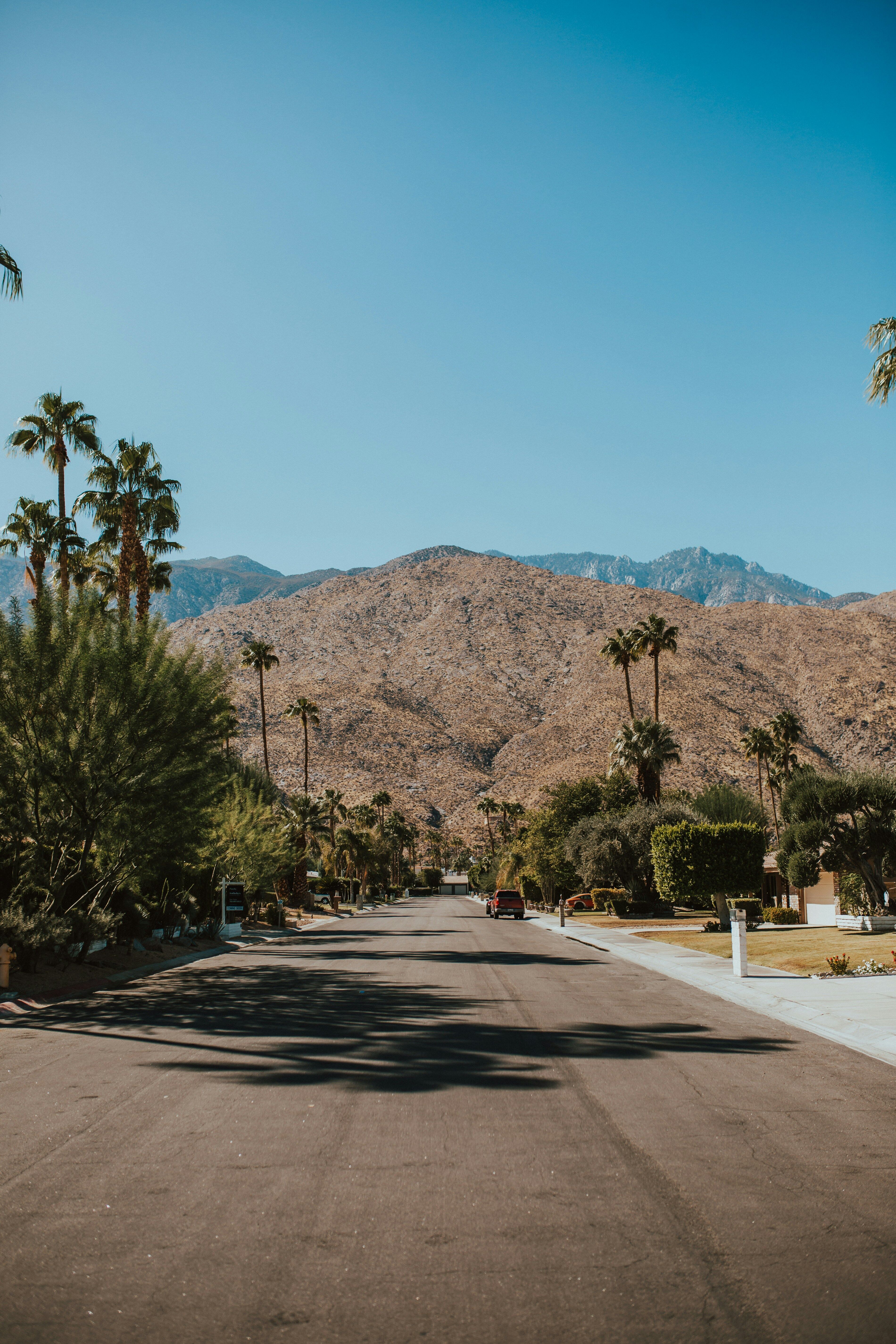
Those mountains visible from every street in Palm Springs. The hikes are up there, and they're worth it.
5. Indian Canyons (General)
Beyond Palm Canyon and Murray Canyon, the Indian Canyons area has additional trails worth exploring if you want more mileage or more variety. Andreas Canyon is a shorter, flatter option that still runs through a palm grove. The connecting trails between canyons let you build longer routes if you want to be out for most of the morning.
The Agua Caliente Cultural Museum in downtown Palm Springs has information on the history and ecology of the canyons if you want context before going. Visit Indian Canyons for current hours, fees, and trail conditions. Seasonal closures happen, particularly in summer and after heavy rains.

Start the morning right before heading into the canyons. Coffee first, then mountains.
When to Go
October through April is the hiking window. This is when temperatures at trail level are comfortable, the canyons have the best chance of water running in the creek beds, and the desert is at its most alive. February and March are particularly good: wildflowers in some years, cool mornings, and long enough days to do a full canyon and still make it to brunch.
May and September are shoulder months: possible but warm. Go before 8am and you'll be fine on most trails.
June through August: genuinely dangerous for most people. If you're going to hike in summer, 5am start is not a suggestion. The temperature rise between 6am and 9am in the canyons can be 20 degrees. Many locals don't hike in summer at all and use the pools instead.
What to Bring
Water: more than you think. A full water bottle per person is the minimum. For half-day hikes, bring extra. Desert sun and dry air pull moisture out faster than you'd expect.
Sun protection: wide-brim hat, SPF 50+, UV-blocking sunglasses. Even in shade, reflected light in the canyon is significant.
Shoes with grip: the canyon trails are rocky. Running shoes work. Sandals don't.
A light layer for the return: canyon mornings can be cool at the start and warm by the time you're heading back. Something you can tie around your waist works fine.
The full desert packing guide is at the desert vacation prep post. It covers everything from what to put in your bag to how to schedule a desert day around the heat.
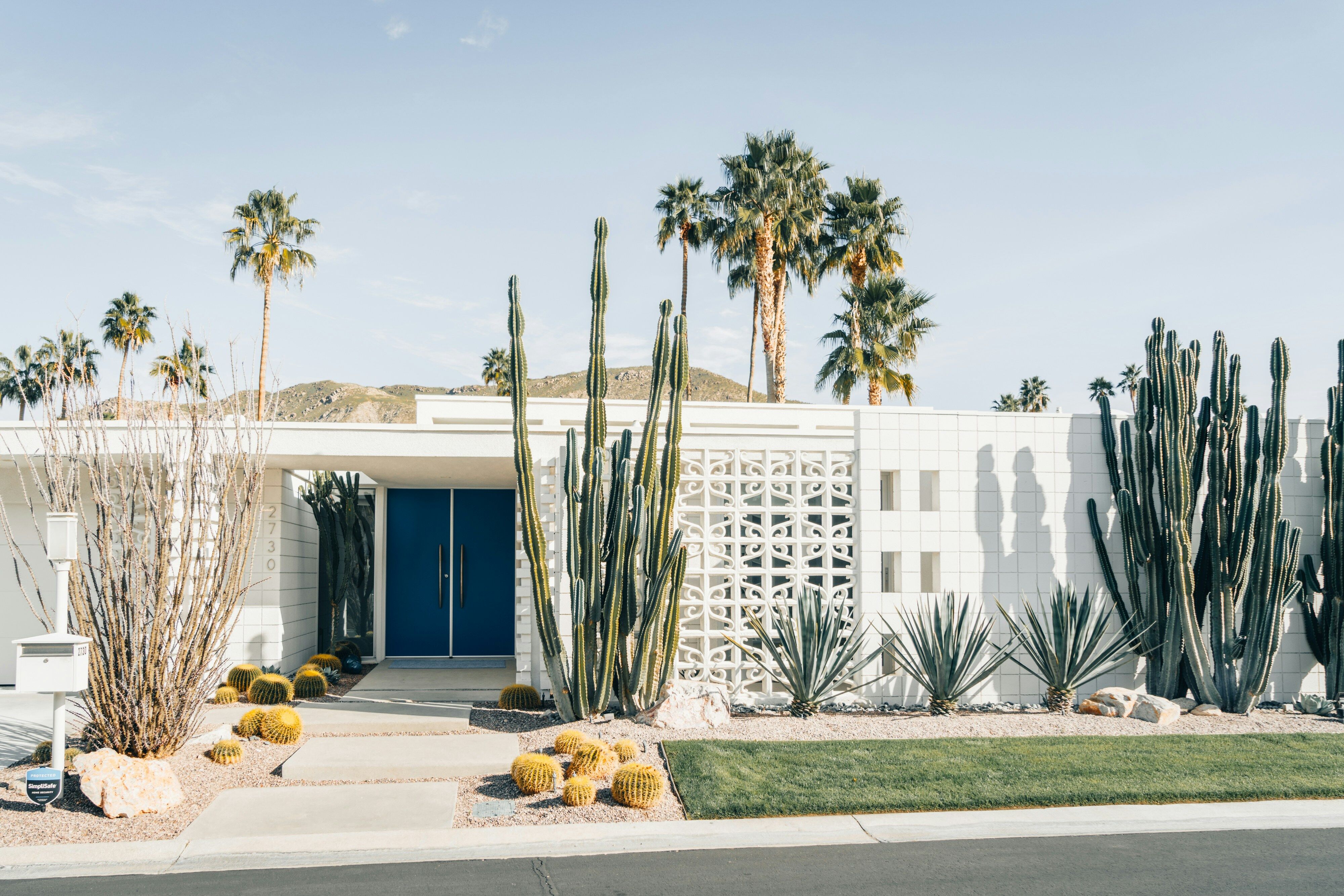
After the hike, Palm Springs rewards the return. Shower, coffee, and a patio table with a mountain view.
Frequently Asked Questions
What is the best hike near Palm Springs for beginners?
Palm Canyon in the Indian Canyons is the most accessible introduction to desert hiking near Palm Springs. The trail descends into a palm oasis, the terrain is well-marked, and you can turn around whenever you want. It's a few miles out and back at whatever pace you set. Go in the morning from October through April.
Is Indian Canyons worth visiting?
Yes. The Indian Canyons (Palm Canyon, Murray Canyon, Andreas Canyon) contain some of the most unique desert landscape in California. The native fan palm oases are rare ecosystems, and the canyon walls provide shade that makes hiking comfortable in moderate weather. There's an entrance fee, and it goes to the Agua Caliente Band of Cahuilla Indians who manage the land.
Can you hike in Palm Springs in summer?
Technically yes, practically you need to be serious about it. Trails should be started before 6am in summer. The heat at trail level in July and August can exceed 110°F by mid-morning. Many experienced desert hikers skip hiking entirely in summer and use that energy for early morning walks and pool time instead.
Is Tahquitz Canyon open year round?
Tahquitz Canyon has seasonal hours and closures. It's generally open from early fall through late spring, with limited or no access in summer. Guided tours are required and run on a set schedule. Check the official Tahquitz Canyon website for current hours and availability before planning around this one.
The hiking here pairs well with a base that has a pool to come back to. After a morning in the canyons, an afternoon in the water is exactly the right recovery. If you're looking for where to stay, The Cozy Cactus in Indio and Terra Luz both have private pools for exactly this kind of day.