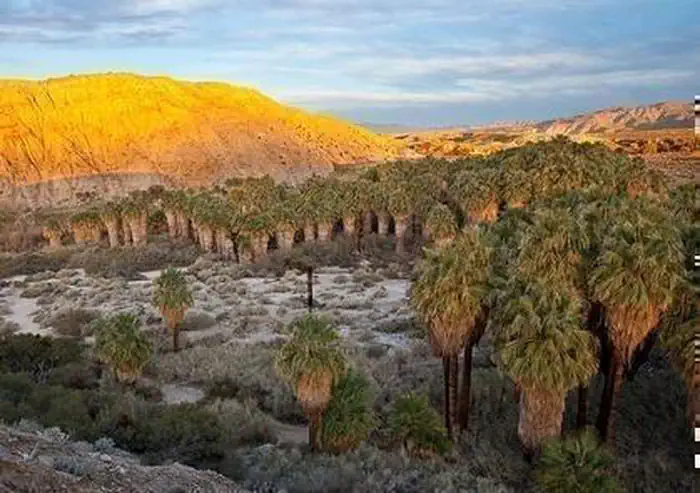
Joshua Tree National Park sits right on the edge of what makes the Coachella Valley feel like a different world. From Indio, the south entrance is about 45 minutes. From Palm Springs, the east entrance to the park is roughly the same. It's close enough for a day trip that feels completely removed from the heat and the valley floor, which is exactly why it's worth doing.
Having sent a lot of guests in this direction over the years, I've watched people do it well and do it poorly. The poorly version usually involves going in July at noon with one water bottle. The well version is more straightforward than you'd think.
How Far Is Joshua Tree from Indio and Palm Springs?
From Indio (where The Cozy Cactus and Terra Luz are), the Cottonwood South Entrance is your closest entry point. It's about 40 to 50 minutes south on the I-10, then north on CA-195. This entrance puts you deep in the Colorado Desert section of the park, which is lower elevation and has a different feel than the northern high-desert areas most people picture when they think Joshua Tree.
From Palm Springs, the most direct route is east on I-10 to CA-62 north, which takes you to the town of Twentynine Palms and the North Entrance, or to Yucca Valley and the West Entrance. Plan for 50 minutes to an hour depending on where in Palm Springs you're starting.
Both routes work. Which entrance you choose depends on what you want to do inside the park, which we'll get to below.

The best part of a day trip is coming home to a place like this. Joshua Tree by 9am. Pool by 2pm. Reading nook by 4.
Which Entrance to Use for Joshua Tree
South Entrance (Cottonwood) — Best from Indio
If you're driving from Indio or the eastern Coachella Valley, Cottonwood is the right call. It's less trafficked than the northern entrances, which matters on weekends. The Cottonwood Spring Oasis near the entrance is a pleasant first stop where you can stretch your legs and look for birds — it's a good birding spot because of the water source.
From Cottonwood you can drive north through the park, stopping at Cholla Cactus Garden along the way. The Cholla Garden is one of those places that looks ordinary in photos and then stops you cold in person. Dense columns of jumping cholla, glowing when backlit by the sun, in a flat pan surrounded by mountains. Worth 20 minutes at minimum.
West Entrance (Yucca Valley) or North Entrance (Twentynine Palms) — Best from Palm Springs
The northern entrances get you to the highest-traffic parts of the park: Skull Rock, Hidden Valley, and the bouldering areas that Joshua Tree is famous for. If you're coming from Palm Springs, take the CA-62 north to Yucca Valley (West Entrance) for the fastest access to the iconic boulder landscapes.
Skull Rock is an easy roadside stop with a short loop trail. Hidden Valley is a short trail that puts you inside a natural enclosure of boulder formations that's genuinely impressive. Neither requires technical hiking ability.
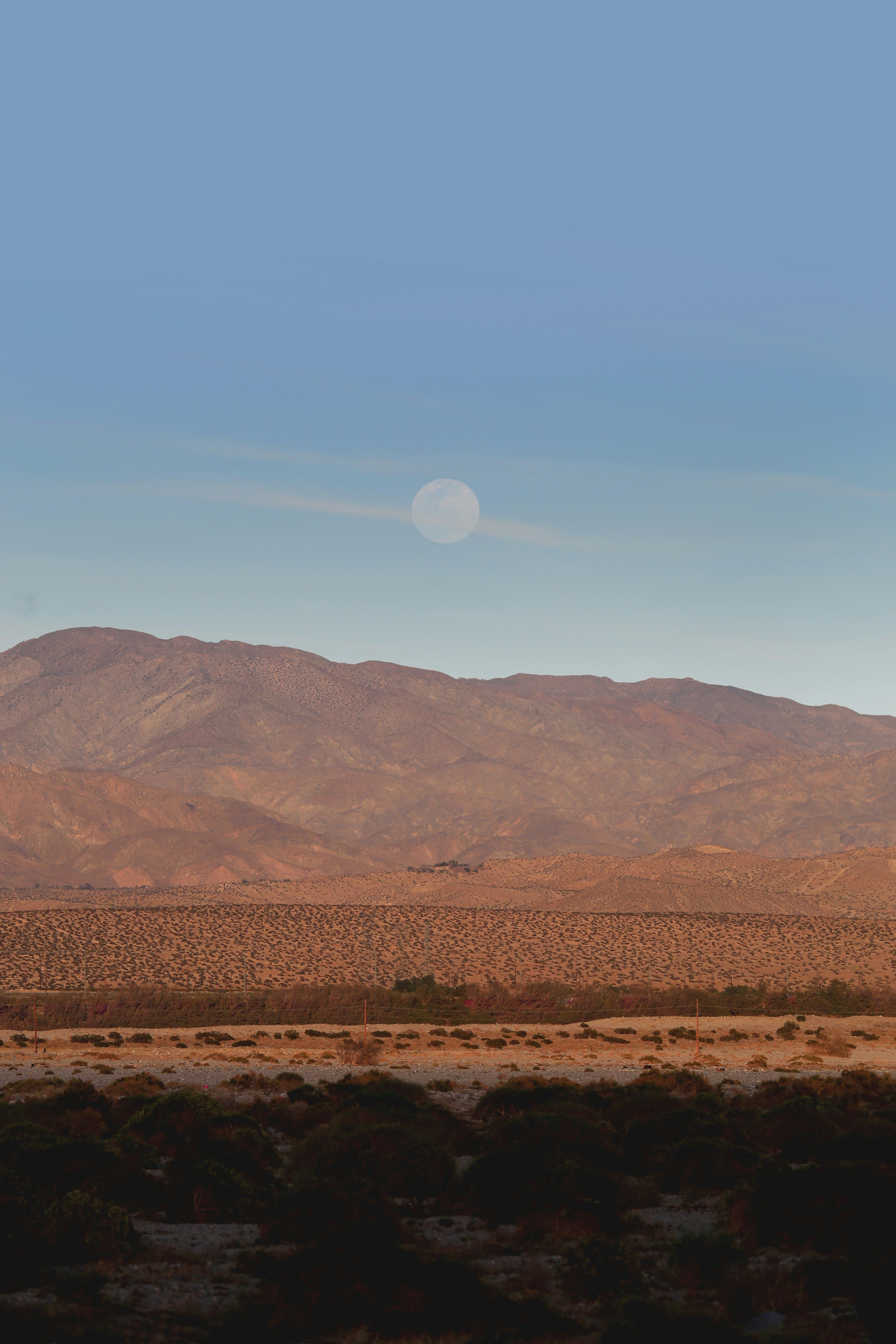
The desert at dusk on the drive back from Joshua Tree. Time your exit for golden hour and you'll understand why people plan trips around it.
Do You Need a Reservation for Joshua Tree?
As of 2026, Joshua Tree uses a timed entry reservation system during peak periods (typically spring weekends, including Coachella and Stagecoach festival weekends when the whole valley fills up). Check the official Joshua Tree NPS page before you go and book ahead if your visit falls on a weekend from February through May.
If reservations are required and you haven't booked, rangers will turn people away at the entrance. It has happened to guests who showed up assuming they'd get in. Don't assume.
Weekdays are generally walk-up friendly outside of peak season. The difference in crowd levels between a Tuesday and a Saturday in April is significant.
Best Time of Year to Visit Joshua Tree
The best window is October through April. Spring (February through April) brings wildflowers in good years and comfortable hiking temperatures in the 60s to low 70s. Fall is quieter, the light is extraordinary, and you don't have the weekend spring crowds.
Summer visits (June through September) are possible but require real planning. Temperatures at the higher elevations of the park are cooler than the valley floor, but midday is still brutal. If you go in summer, plan to arrive at first light and leave by noon. Bring more water than you think makes sense.
Festival weekends in April (Coachella and Stagecoach) are peak demand. If you're staying in the valley for a festival, a weekday Joshua Tree visit is significantly better than trying to go on a Saturday.

The whole point of a day trip: you get to come back. Coming back to a house with a pool and good lighting makes a difference.
What to Bring on a Joshua Tree Day Trip
This is where people underestimate the park. It looks accessible from the road, and most of it is, but the desert is unforgiving if you're underprepared. For a thorough gear and packing list specific to desert day trips, the desert vacation packing guide covers everything in detail. Short version:
- Water: At least one liter per person per hour of hiking, more in summer. There is no water available inside much of the park. Fill up before entering.
- Sun protection: Hat, sunscreen, a layer you can add at higher elevation where it gets cool. The sun at Joshua Tree feels different than the valley floor.
- Snacks: There are no food services inside the park. Bring more than you think you need.
- Shoes: You'll be on rocky terrain even on "easy" trails. Sneakers are fine. Flip flops are not.
- Phone charge: Cell service is limited inside the park. Download an offline map (Google Maps and AllTrails both work offline) before you enter.
- Cash for the entrance fee: The park accepts cards now too, but cash is reliable.
Planning the Day: A Simple Itinerary
You don't need to plan every stop, but having a rough shape to the day helps. Here's one that works well from Indio:
Leave Indio by 7:30am. The park is genuinely better in the morning — lower temperatures, better light, fewer cars, and you beat the midday heat if you're hiking.
Enter at Cottonwood South Entrance. Stop at Cottonwood Spring Oasis (30 min, easy walk). Grab a park map at the visitor center here.
Drive north to Cholla Cactus Garden (about 20 minutes north). Spend 20 to 30 minutes here. Walk the loop slowly. It's worth it.
Continue to the Skull Rock area if you want the full north park experience, or turn around and head back if you want to stay in the lower elevations. The drive through the park from Cottonwood to Skull Rock is roughly 40 miles and takes about an hour without stops.
Head back by early afternoon. A full round-trip with stops takes a solid half day. You'll want to be back at your rental to actually enjoy the pool before evening.
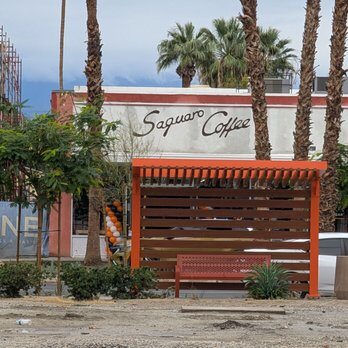
Refuel in Indio before the last stretch home. Saguaro Coffee is a solid stop and beats a gas station every time.
What to Do Near Joshua Tree (Same Day)
A few stops worth layering in depending on your route:
Shields Date Garden in Indio (shields1924.com) is a date farm and shop that's been operating since 1924. The date shake is genuinely good and it's a reasonable stop on the way back from the south entrance. Worth 20 minutes.
Coachella Valley Preserve is a fan palm oasis preserve in Thousand Palms, between Indio and Palm Springs on the valley floor. The contrast between the valley desert and the dense palms around the spring is striking. Check the preserve's site for current hours.
The town of Joshua Tree (near the park's west entrance) has a good breakfast spot and a few interesting shops if you want a midday break. Check Instagram for current options — the town's food scene turns over regularly.
Frequently Asked Questions
How far is Joshua Tree from Palm Springs?
About 45 to 55 miles depending on which entrance you're heading to. The drive from Palm Springs to the West Entrance via CA-62 and Yucca Valley takes roughly 50 minutes to an hour. The drive to the South (Cottonwood) Entrance is about the same length if you take the I-10 east. Allow at least an hour to be comfortable.
How far is Joshua Tree from Indio?
The Cottonwood South Entrance is about 40 to 50 minutes from Indio via I-10 east and CA-195 north. This is the closest entrance for guests staying at The Cozy Cactus or Terra Luz. It's an easy morning trip and you can be back to the pool by early afternoon if you leave early.
Can you do Joshua Tree as a day trip from the Coachella Valley?
Yes, without question. It's one of the most natural day trips from any Coachella Valley base. Leave by 7:30 or 8am, plan for a half day in the park, and you're back in time to spend the afternoon at your rental. The drive is easy, the scenery on the way there is already good, and the park rewards even a few hours of exploration.
Do I need a reservation for Joshua Tree National Park?
During peak season (spring and some fall weekends), yes. Check the NPS Joshua Tree page for current timed entry requirements. Coachella and Stagecoach festival weekends in April are high demand — book ahead or plan a weekday visit. Midweek visits outside peak season are typically walk-up friendly.
What is the best time to visit Joshua Tree?
October through April is the sweet spot, with spring (February through April) being the most popular for wildflowers and comfortable temperatures. If you're visiting during Coachella Valley festival season, weekday visits are considerably less crowded than weekend days. Avoid midday in summer unless you're doing a very short roadside stop.
If you're building out your full Coachella Valley trip, the Coachella Valley insider guide covers the rest of the valley's day trips and local spots worth knowing about.